System Design
DESIGN FOR ELDERLY WELL -BEING
A system-level design exploration addressing the physical, emotional, social, and economic challenges faced by elderly populations in India, with a focused intervention for Parkinson’s care.
My Role :
System Designer
Industry :
Health Tech
Year(s) :
2020
Project Duration :
8 weeks
Tools :
Adobe Creative suites and Blender
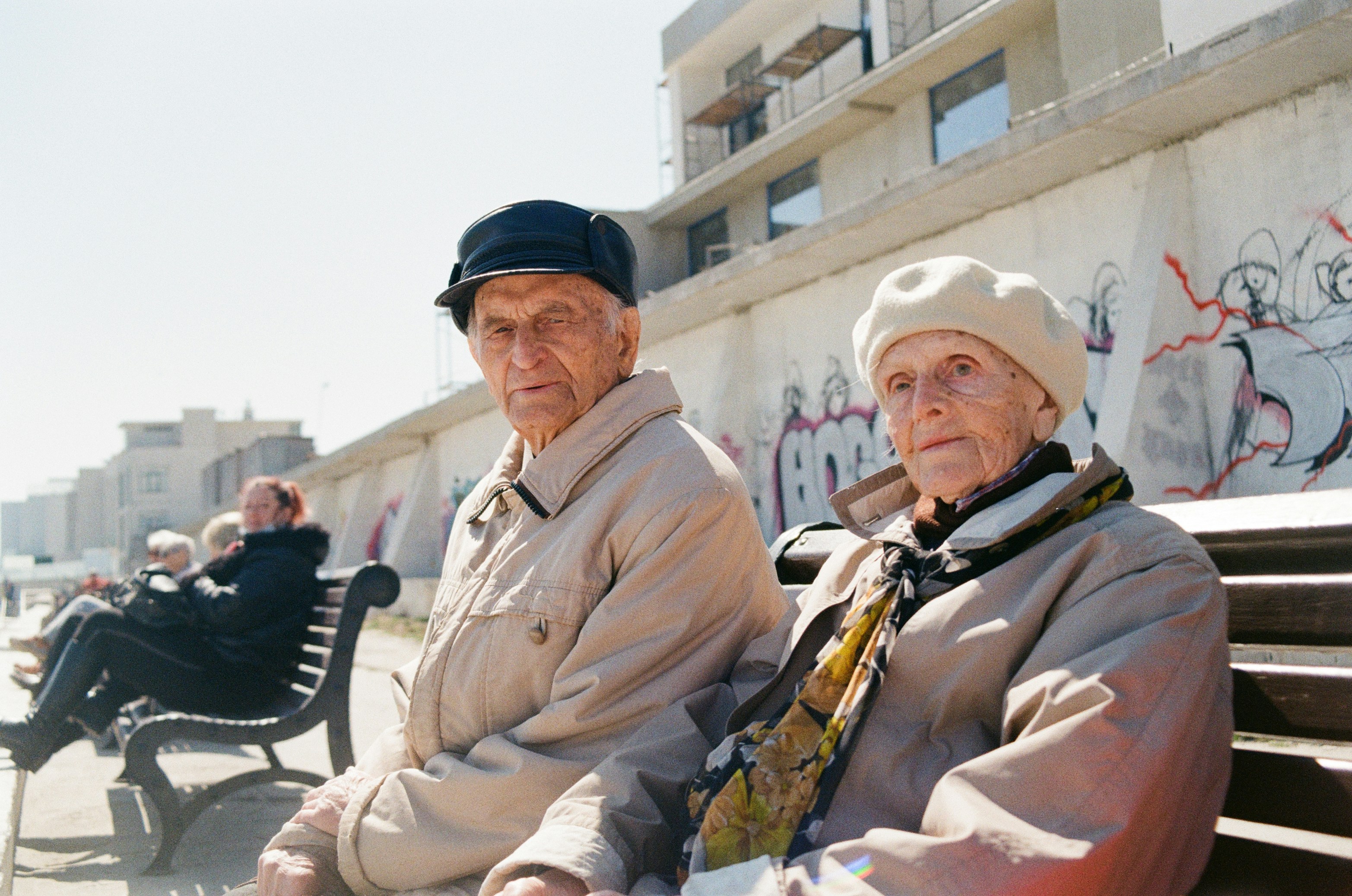
PROCESS
Primary Research
Interviews
Survey
Persona Generation
Journey Map Analysis
Secondary Research & Analysis
Literature Reviews
Contextual Inquiry
Identifying Relationships
Systems Mapping
Design Opportunity Identification
Design
Validation of Design Opportunities
Designing Solutions
Evaluation
PRIMARY RESEARCH
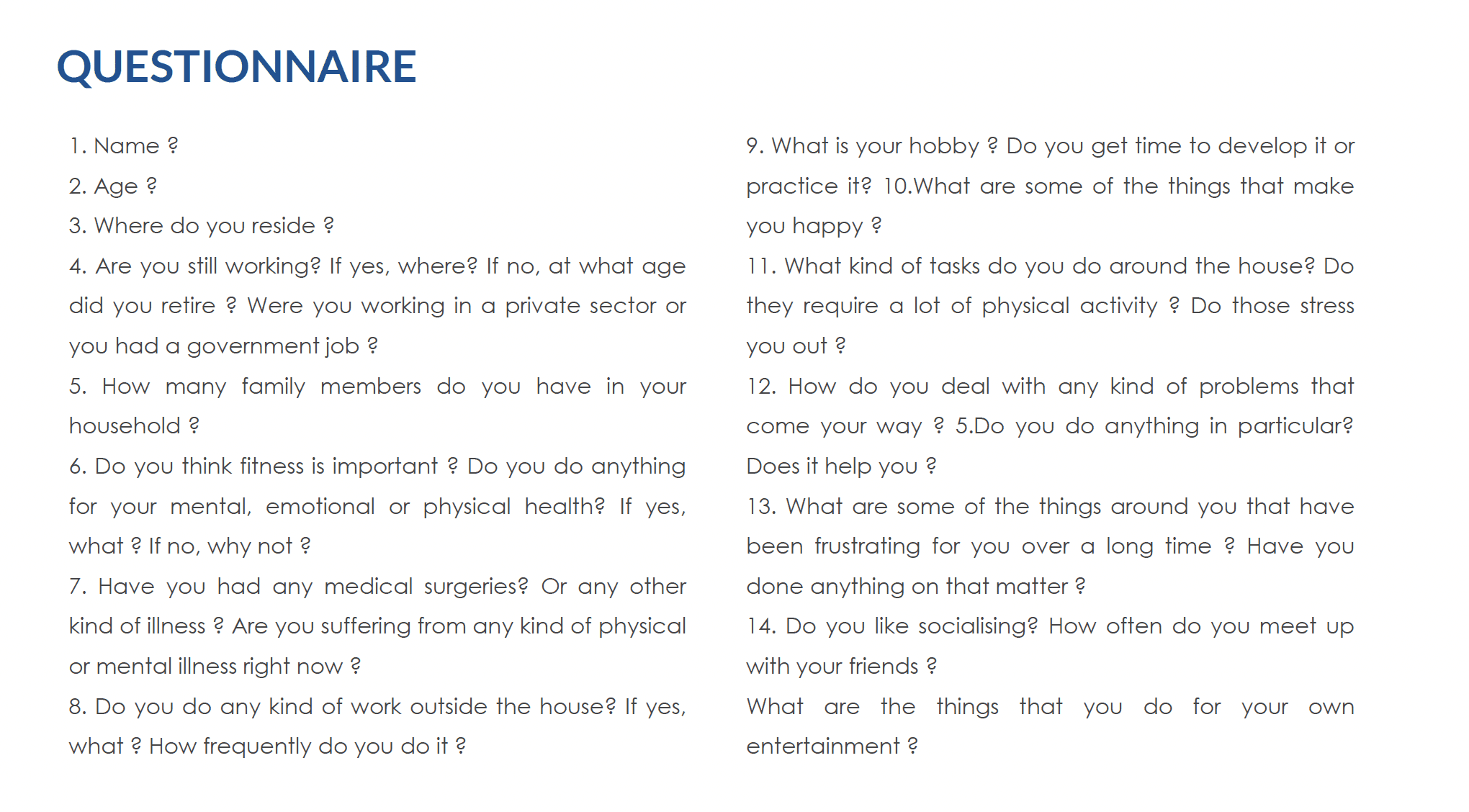
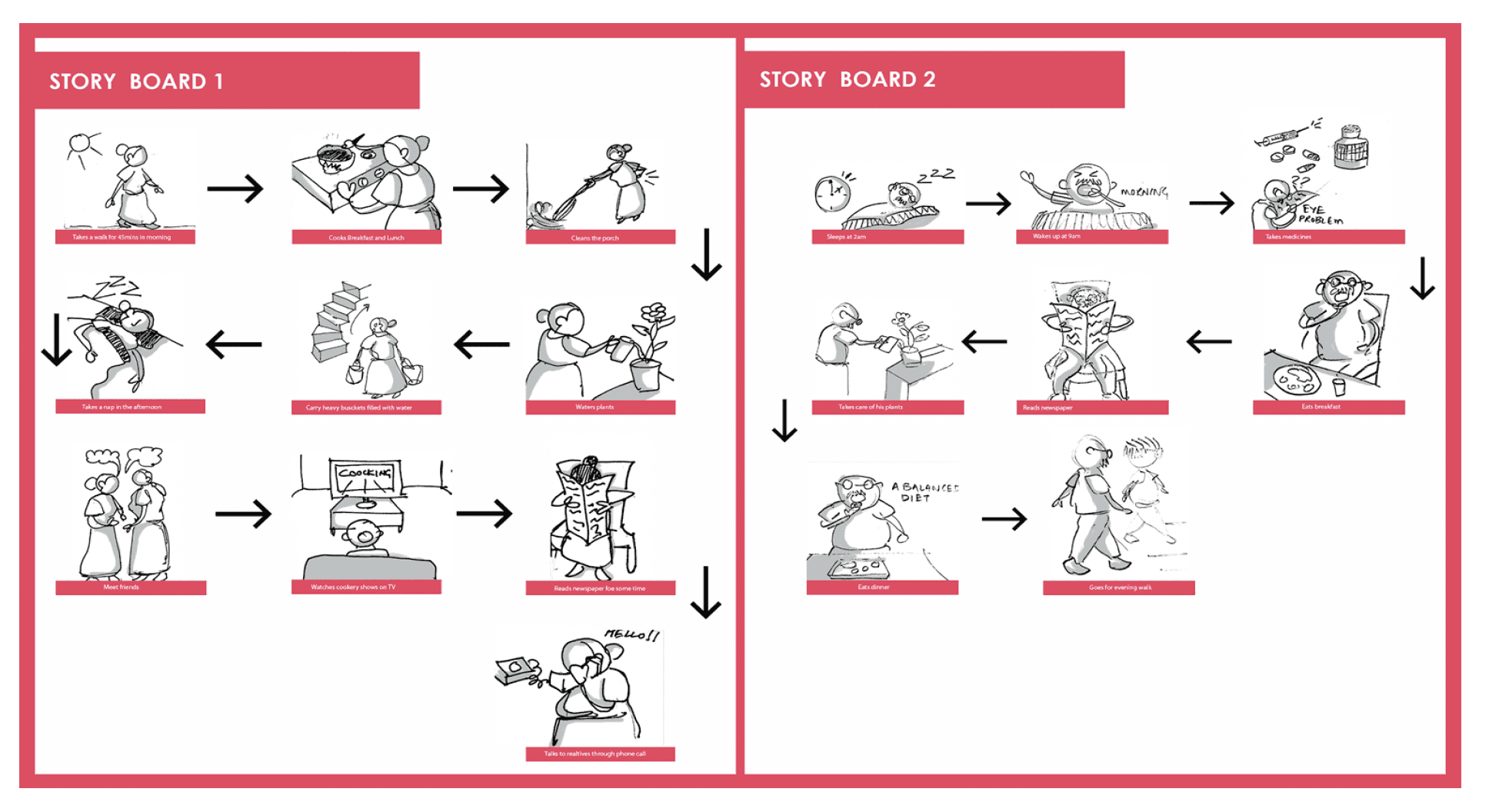
Primary research was conducted to obtain insights on the users' daily routine and their day-to-day tasks. The research was conducted through telephonic conversations and interviews to connect with the users.
Obtained data was processed and analyzed properly. We understood from the primary research.
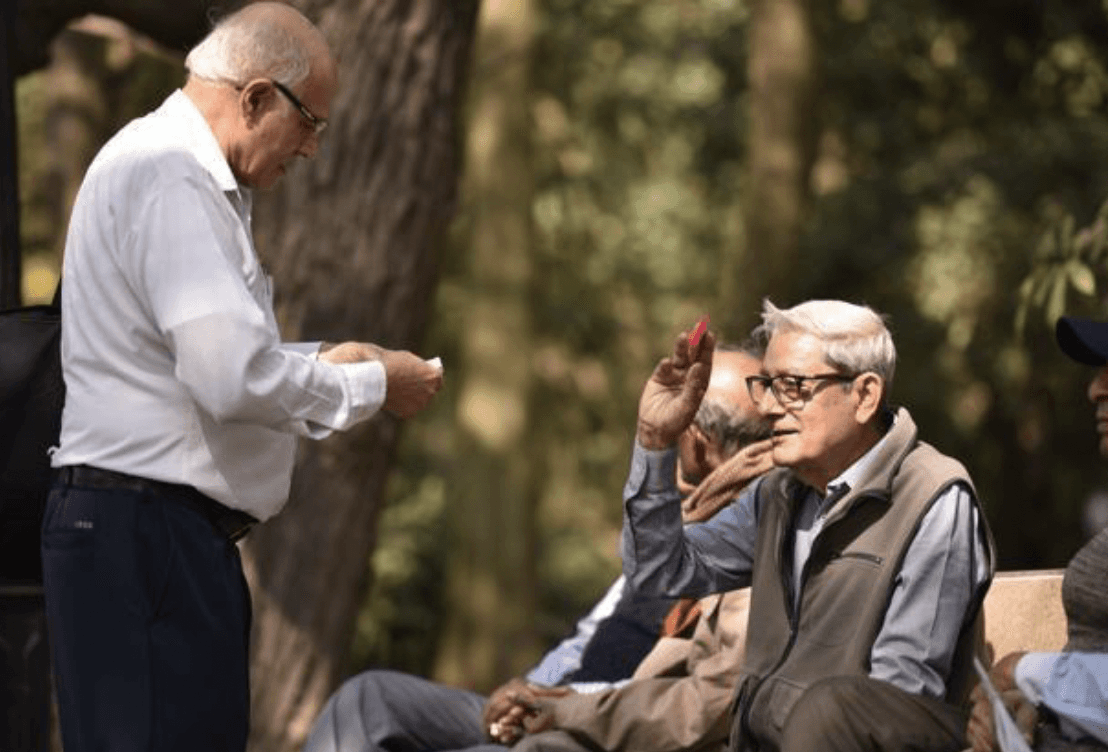
QUESTIONNAIRE
STORYBOARD
INSIGHTS FROM PRIMARY RESEARCH
The elderly do suffer emotionally due to depression and anxiety issues, which can be caused due to multiple reasons such as loneliness, stress, hormonal imbalance, trauma, etc.
Sometimes they suffer socially too when they are abused by someone. It leaves a dent in the mind and makes them lose confidence, so they always want to spend more time with their loved ones.
Many of the elderly suffer a major setback due to less income, lack of social security, lack of basic needs, and sometimes also due to debt.
The most common reason due to which the elderly face difficult times is physical health issues, including Parkinson's, COPD, heart attack, diabetes, hypertension, and cancer (increasing at a speedy rate).
Research also showed that there are elderly people who suffer from dementia, delirium, and Alzheimer's, which can be caused due to alcohol intake, smoking, high blood pressure, etc.
In some cases they are scared of health and other issues but do not express them.
Elderly are not so used to technology and new methods.
They get frustrated when a task doesn’t happen properly.
SECONDARY RESEARCH
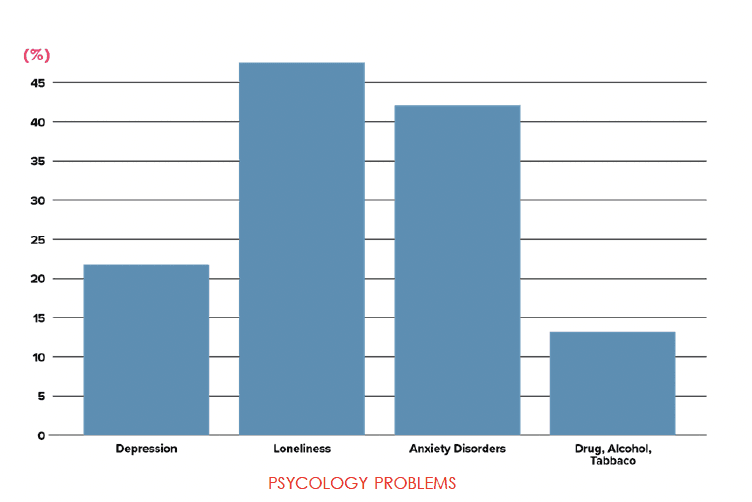
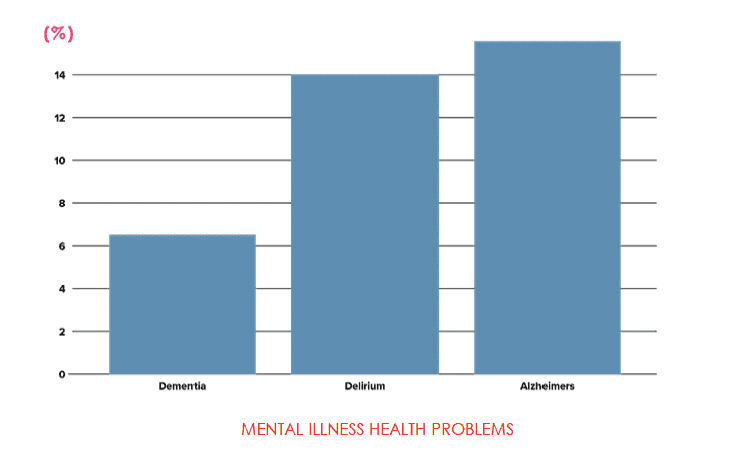
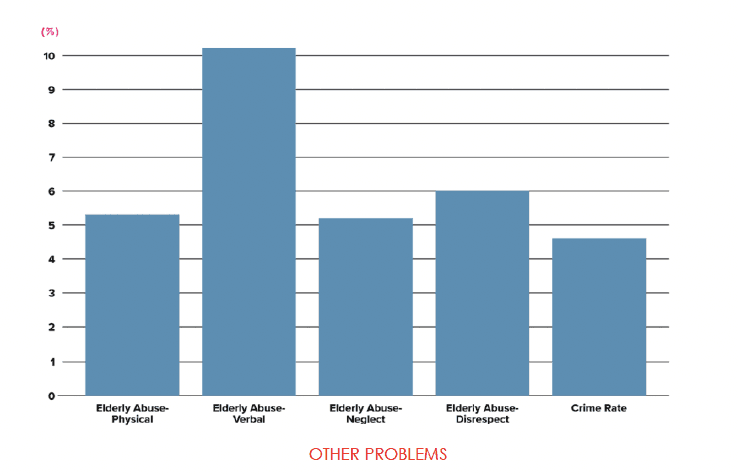
We looked up the most common troubles faced by the elderly in India, including physical health issues, mental illness, psychological problems, abuse, and social problems.
The data in bar graphs represent the most common problems elderly face in India. Apart from this, we also analyzed crime rates, caste and religion, rural problems, and systems in India.
All secondary information was used to analyze the system and find the root cause of these problems.
References:
HelpAge India, NCBI, IPJI, Generic Healthcare Research Paper, Drishti – Elderly in India, India Govt., Give India, Bitstream
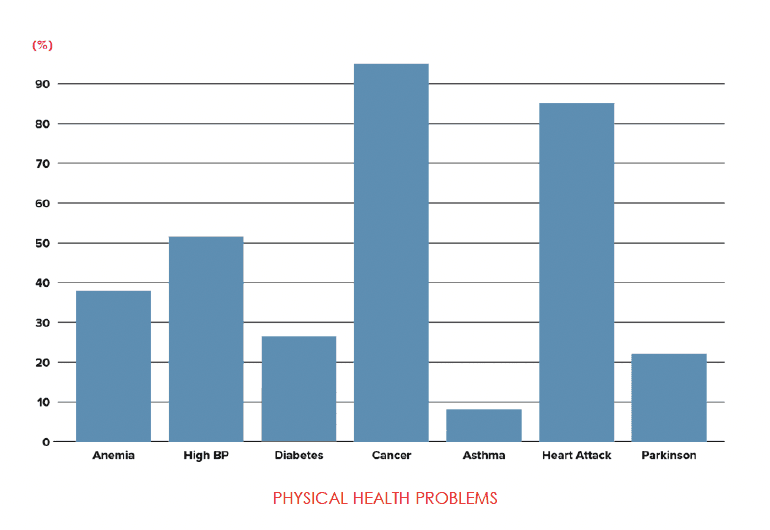
Physical problems - These are the most recognized problems in India. Death occurring due to these problems is usually from failed treatment, wrong medication, or unsolvable issues.Common problems includes, Heart attack, Hypertension, Diabetes, COPD and Osteoarthritis.
Mental health - This is a major issue in elderly people. The most common mental illness found in India is Alzheimer's.
Psychological problems - One of the least discovered problems faced by elderly people.
Common issues: Anxiety, loneliness, depression.
Other problems - Loneliness and elderly abuse are major social problems.
Elder abuse is one of the most underreported crimes in India.
BRAINSTORMING & SYSTEM HIERARCHY ANALYSIS
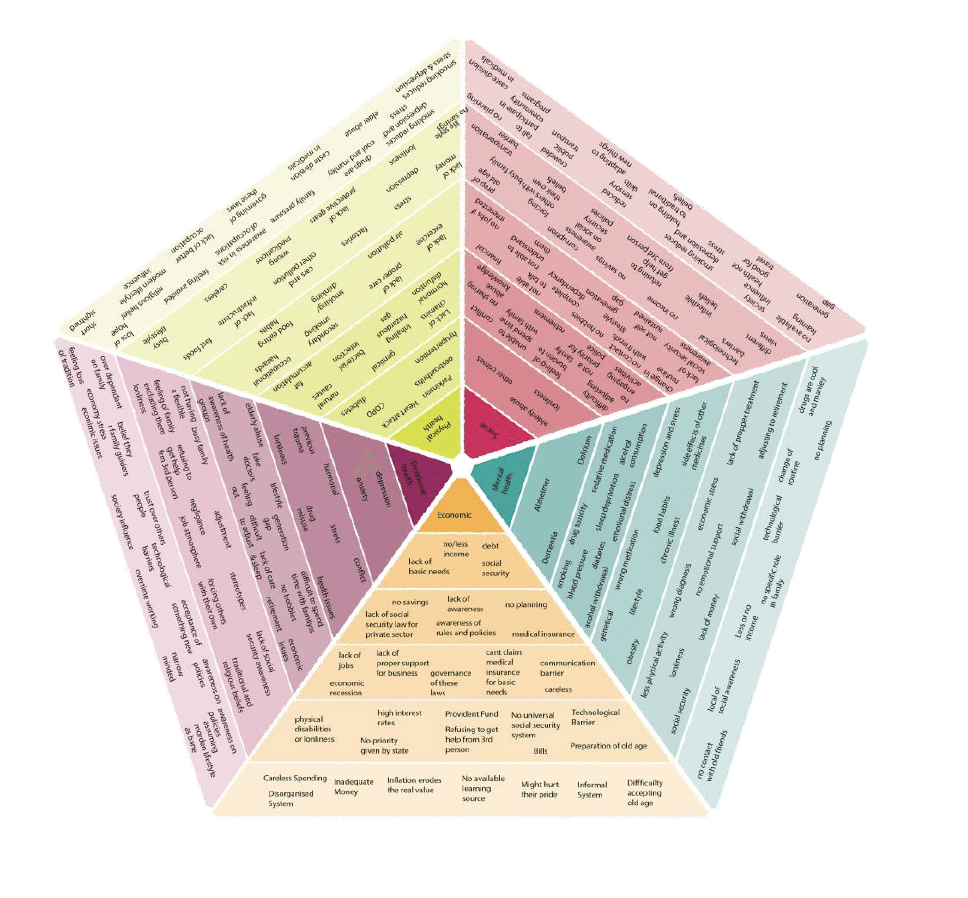
We thought of different angles and topics that the elderly might be related to and then put them in categories, making them connect and making a small system as a whole.
Elderly Welfare
Social System
Economic System
Health System
Mental Health
Emotional Health
Physical Health
Based on these data, I decided to look in parkison.
PARKINSON IN INDIA
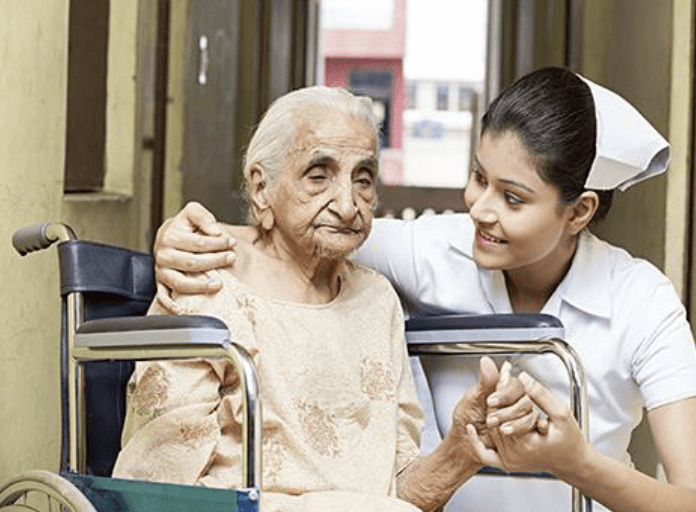
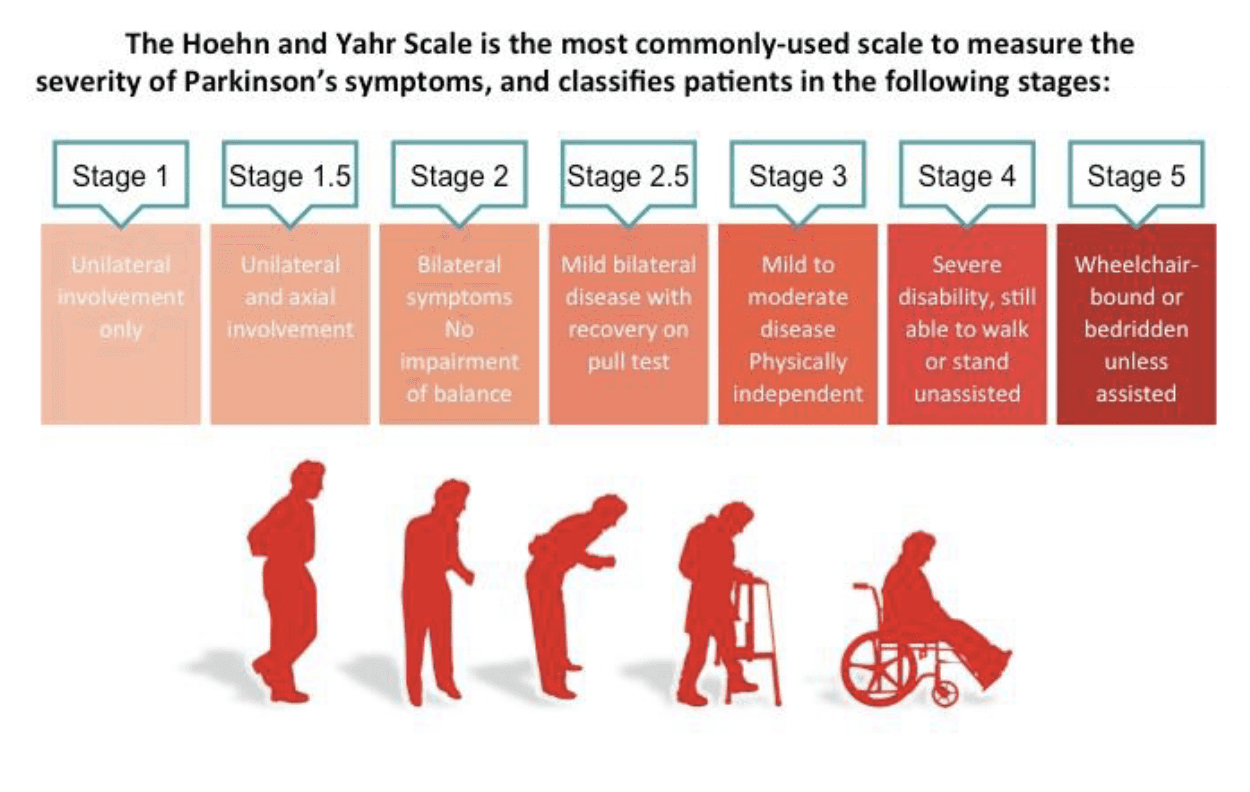
Through research, it was found that the majority of the elderly face motor/physical disorders, among which Parkinson’s is a major disease in old age.
SYMPTOMS OF PARKINSON
Tremor
Difficulty standing, walking
Imbalance
Sleep disorder
Dizziness
Restlessness
Cognitive disorder (confusion)
Difficulty speaking
Voice box spasm
Loss of smell
Urinary problems
Mood swings & Reduced facial expression
SYMPTOMS OF PARKINSON
Tremor
Difficulty standing, walking
Imbalance
Sleep disorder
Dizziness
Restlessness
Cognitive disorder (confusion)
Difficulty speaking
Voice box spasm
Loss of smell
Urinary problems
Mood swings & Reduced facial expression
Some thoughts?
I decided to look at games, awareness, website and Smart Products,
Concept 1: Smart stick - ring
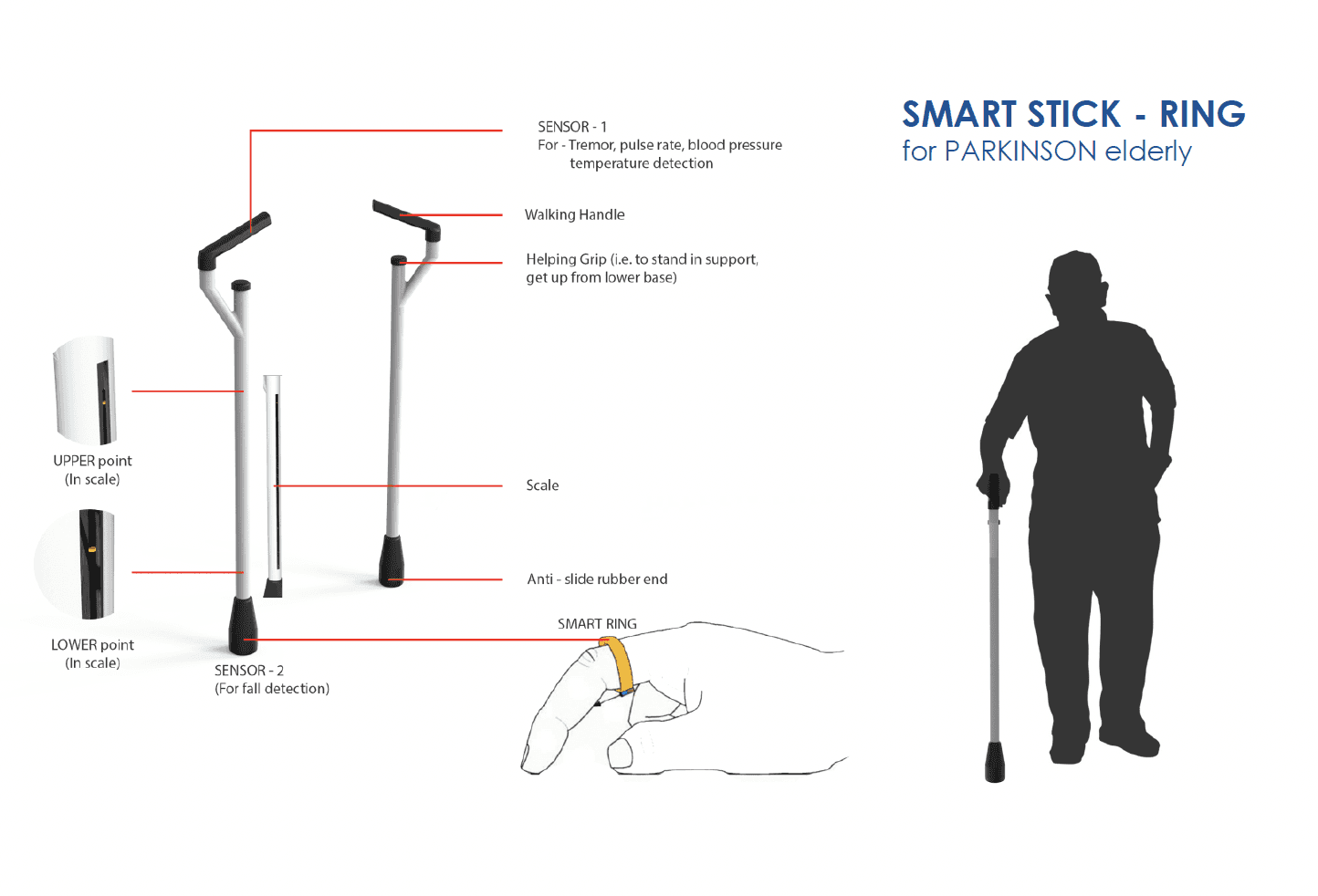
The L shaped handle (with sensor 1 to monitor tremor, pulse rate, blood pressure temperature) is basically for regular walking assistance, so the elderly can use while walking or need of any assistance
The vertical handle (Helping grip), is basically for help as a support, i e he/she can take the support to stand or lean or to get up from a lower surface
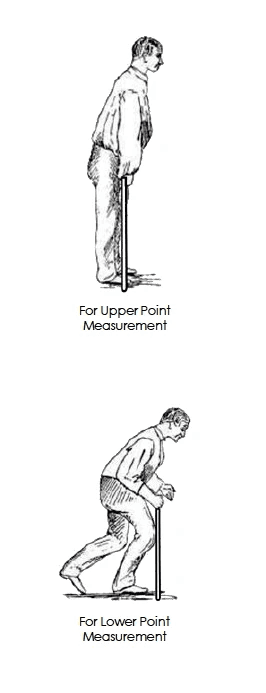
Scale It has an upper point a lower point The normal standing position can help to note the UPPER POINT measurement the maximum bending (knee bending) position can help to note the LOWER POINT measurement
Smart Ring Fall detection sensor
Sensor 2 Fall detection sensor
When the elderly falls down due to any problem related to PD the smart ring when crosses the lower point scale, the fall detection sensor will trace the smart ring the falls down with the person and after a specific time period it will send an emergency message/signal to the nearest one who takes care of the elderly
Stick is self standing (broader towards down and narrow in up) the stick has rubber anti slide material, as a safety towards anti sliding of elderly
The L shaped handle (with sensor 1 to monitor tremor, pulse rate, blood pressure temperature) is basically for regular walking assistance, so the elderly can use while walking or need of any assistance
The vertical handle (Helping grip), is basically for help as a support, i e he/she can take the support to stand or lean or to get up from a lower surface
Scale It has an upper point a lower point The normal standing position can help to note the UPPER POINT measurement the maximum bending (knee bending) position can help to note the LOWER POINT measurement
Smart Ring Fall detection sensor
Sensor 2 Fall detection sensor
When the elderly falls down due to any problem related to PD the smart ring when crosses the lower point scale, the fall detection sensor will trace the smart ring the falls down with the person and after a specific time period it will send an emergency message/signal to the nearest one who takes care of the elderly
Stick is self standing (broader towards down and narrow in up) the stick has rubber anti slide material, as a safety towards anti sliding of elderly
Concept 2 - Smart wrist band
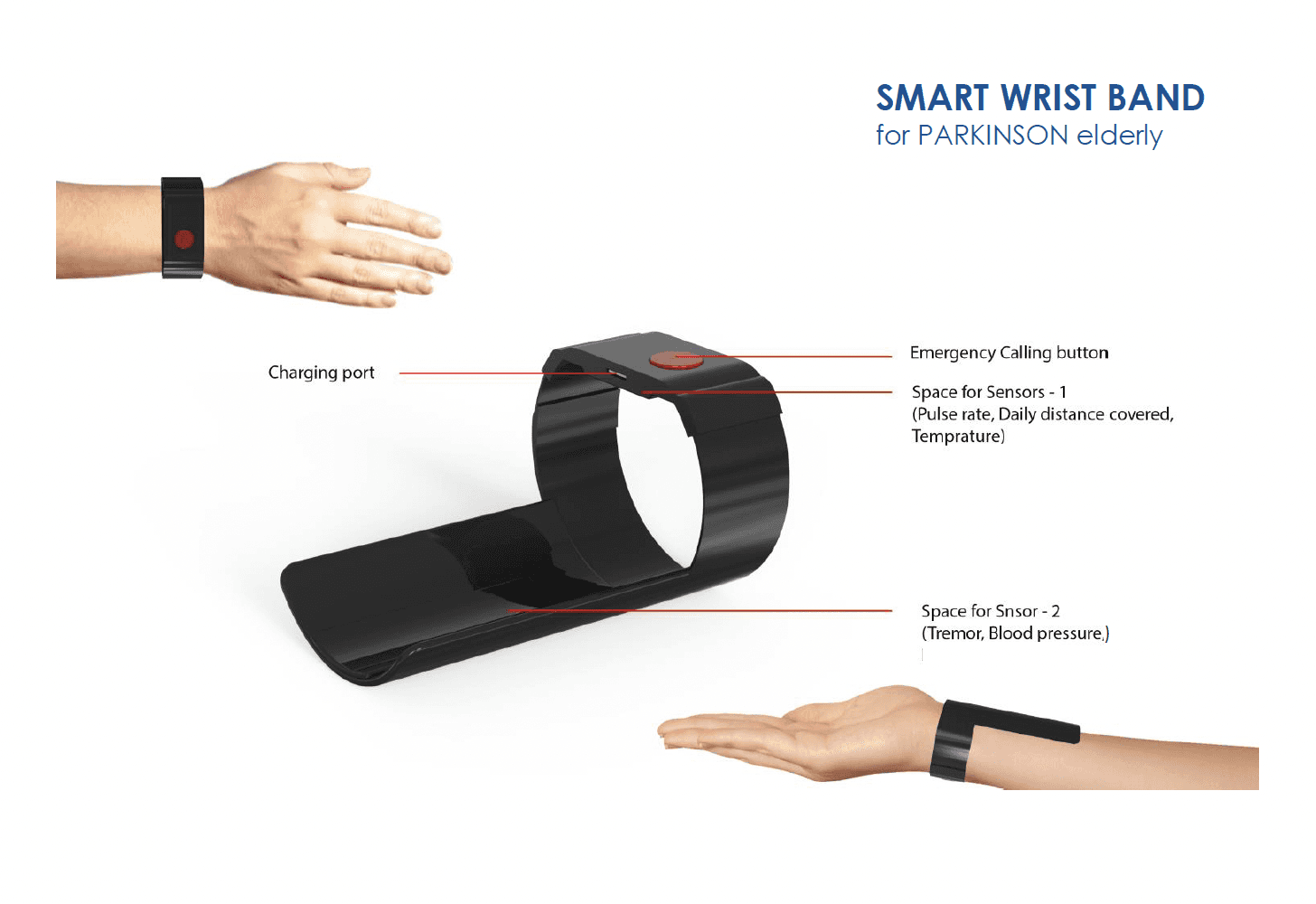
The band has several sensors (Sensor 1 for pulse rate, temperature and daily physical activity trace Sensor 2 for tremor, blood pressure for regular and time to time monitoring
If the wearable traces something abnormal or something exiting the given normal level, it will directly send an emergency signal/message to the near one taking care of the elderly
The RED button is an emergency button, many a time PD patients cannot callout when they need any help or need of urgency, so its an reminder emergency button where they can press and a signal will be sent to the nearest person taking care of them
Concept 3 - Smart wrist band
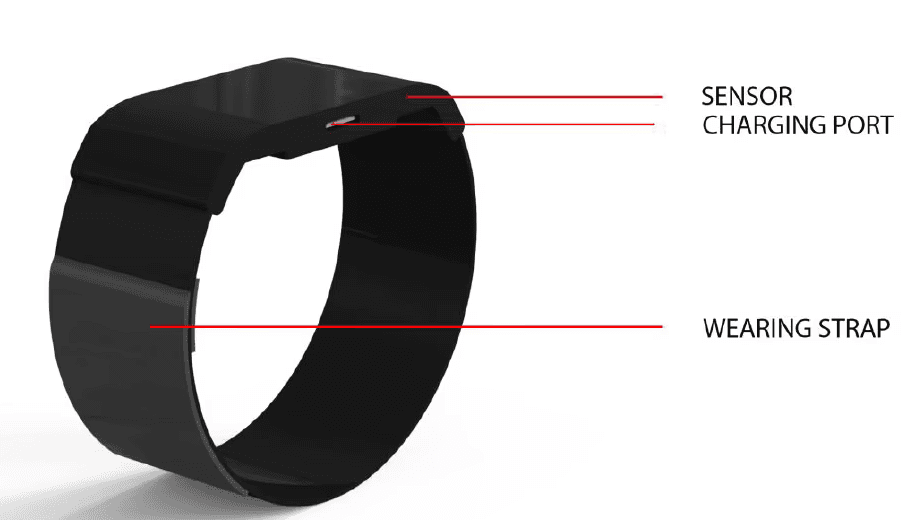
Simple fall detection watch
Automatically sends an emergency message when a Parkinson’s patient falls or faces a fall risk
Final Takeway
This system design exercise reinforced that elderly well-being is not defined by a single problem, but by an interconnected network of physical, emotional, social, and economic factors. By combining primary research, secondary analysis, and systems mapping, I was able to move beyond surface-level solutions and identify deeper structural gaps.
The project strengthened my ability to approach complex social challenges with empathy, strategic thinking, and structured problem-solving. Ultimately, it reaffirmed that meaningful design for aging populations must restore independence, dignity, and confidence, not just provide assistance.
System Design
DESIGN FOR ELDERLY WELL -BEING
A system-level design exploration addressing the physical, emotional, social, and economic challenges faced by elderly populations in India, with a focused intervention for Parkinson’s care.
My Role :
System Designer
Industry :
Health Tech
Year(s) :
2020
Project Duration :
8 weeks
Tools :
Adobe Creative suites and Blender
PROCESS
Primary Research
Interviews
Survey
Persona Generation
Journey Map Analysis
Secondary Research & Analysis
Literature Reviews
Contextual Inquiry
Identifying Relationships
Systems Mapping
Design Opportunity Identification
Design
Validation of Design Opportunities
Designing Solutions
Evaluation
PRIMARY RESEARCH
Primary research was conducted to obtain insights on the users' daily routine and their day-to-day tasks. The research was conducted through telephonic conversations and interviews to connect with the users.
Obtained data was processed and analyzed properly. We understood from the primary research.
QUESTIONNAIRE
STORYBOARD
INSIGHTS FROM PRIMARY RESEARCH
The elderly do suffer emotionally due to depression and anxiety issues, which can be caused due to multiple reasons such as loneliness, stress, hormonal imbalance, trauma, etc.
Sometimes they suffer socially too when they are abused by someone. It leaves a dent in the mind and makes them lose confidence, so they always want to spend more time with their loved ones.
Many of the elderly suffer a major setback due to less income, lack of social security, lack of basic needs, and sometimes also due to debt.
The most common reason due to which the elderly face difficult times is physical health issues, including Parkinson's, COPD, heart attack, diabetes, hypertension, and cancer (increasing at a speedy rate).
Research also showed that there are elderly people who suffer from dementia, delirium, and Alzheimer's, which can be caused due to alcohol intake, smoking, high blood pressure, etc.
In some cases they are scared of health and other issues but do not express them.
Elderly are not so used to technology and new methods.
They get frustrated when a task doesn’t happen properly.
SECONDARY RESEARCH
We looked up the most common troubles faced by the elderly in India, including physical health issues, mental illness, psychological problems, abuse, and social problems.
The data in bar graphs represent the most common problems elderly face in India. Apart from this, we also analyzed crime rates, caste and religion, rural problems, and systems in India.
All secondary information was used to analyze the system and find the root cause of these problems.
References:
HelpAge India, NCBI, IPJI, Generic Healthcare Research Paper, Drishti – Elderly in India, India Govt., Give India, Bitstream
Physical problems - These are the most recognized problems in India. Death occurring due to these problems is usually from failed treatment, wrong medication, or unsolvable issues.Common problems includes, Heart attack, Hypertension, Diabetes, COPD and Osteoarthritis.
Mental health - This is a major issue in elderly people. The most common mental illness found in India is Alzheimer's.
Psychological problems - One of the least discovered problems faced by elderly people.
Common issues: Anxiety, loneliness, depression.
Other problems - Loneliness and elderly abuse are major social problems.
Elder abuse is one of the most underreported crimes in India.
BRAINSTORMING & SYSTEM HIERARCHY ANALYSIS
We thought of different angles and topics that the elderly might be related to and then put them in categories, making them connect and making a small system as a whole.
Elderly Welfare
Social System
Economic System
Health System
Mental Health
Emotional Health
Physical Health
Based on these data, I decided to look in parkison.
PARKINSON IN INDIA
Through research, it was found that the majority of the elderly face motor/physical disorders, among which Parkinson’s is a major disease in old age.
SYMPTOMS OF PARKINSON
Tremor
Difficulty standing, walking
Imbalance
Sleep disorder
Dizziness
Restlessness
Cognitive disorder (confusion)
Difficulty speaking
Voice box spasm
Loss of smell
Urinary problems
Mood swings & Reduced facial expression
SYMPTOMS OF PARKINSON
Tremor
Difficulty standing, walking
Imbalance
Sleep disorder
Dizziness
Restlessness
Cognitive disorder (confusion)
Difficulty speaking
Voice box spasm
Loss of smell
Urinary problems
Mood swings & Reduced facial expression
Some thoughts?
I decided to look at games, awareness, website and Smart Products,
Concept 1: Smart stick - ring
The L shaped handle (with sensor 1 to monitor tremor, pulse rate, blood pressure temperature) is basically for regular walking assistance, so the elderly can use while walking or need of any assistance
The vertical handle (Helping grip), is basically for help as a support, i e he/she can take the support to stand or lean or to get up from a lower surface
Scale It has an upper point a lower point The normal standing position can help to note the UPPER POINT measurement the maximum bending (knee bending) position can help to note the LOWER POINT measurement
Smart Ring Fall detection sensor
Sensor 2 Fall detection sensor
When the elderly falls down due to any problem related to PD the smart ring when crosses the lower point scale, the fall detection sensor will trace the smart ring the falls down with the person and after a specific time period it will send an emergency message/signal to the nearest one who takes care of the elderly
Stick is self standing (broader towards down and narrow in up) the stick has rubber anti slide material, as a safety towards anti sliding of elderly
The L shaped handle (with sensor 1 to monitor tremor, pulse rate, blood pressure temperature) is basically for regular walking assistance, so the elderly can use while walking or need of any assistance
The vertical handle (Helping grip), is basically for help as a support, i e he/she can take the support to stand or lean or to get up from a lower surface
Scale It has an upper point a lower point The normal standing position can help to note the UPPER POINT measurement the maximum bending (knee bending) position can help to note the LOWER POINT measurement
Smart Ring Fall detection sensor
Sensor 2 Fall detection sensor
When the elderly falls down due to any problem related to PD the smart ring when crosses the lower point scale, the fall detection sensor will trace the smart ring the falls down with the person and after a specific time period it will send an emergency message/signal to the nearest one who takes care of the elderly
Stick is self standing (broader towards down and narrow in up) the stick has rubber anti slide material, as a safety towards anti sliding of elderly
Concept 2 - Smart wrist band
The band has several sensors (Sensor 1 for pulse rate, temperature and daily physical activity trace Sensor 2 for tremor, blood pressure for regular and time to time monitoring
If the wearable traces something abnormal or something exiting the given normal level, it will directly send an emergency signal/message to the near one taking care of the elderly
The RED button is an emergency button, many a time PD patients cannot callout when they need any help or need of urgency, so its an reminder emergency button where they can press and a signal will be sent to the nearest person taking care of them
Concept 3 - Smart wrist band
Simple fall detection watch
Automatically sends an emergency message when a Parkinson’s patient falls or faces a fall risk
Final Takeway
This system design exercise reinforced that elderly well-being is not defined by a single problem, but by an interconnected network of physical, emotional, social, and economic factors. By combining primary research, secondary analysis, and systems mapping, I was able to move beyond surface-level solutions and identify deeper structural gaps.
The project strengthened my ability to approach complex social challenges with empathy, strategic thinking, and structured problem-solving. Ultimately, it reaffirmed that meaningful design for aging populations must restore independence, dignity, and confidence, not just provide assistance.
System Design
DESIGN FOR ELDERLY WELL -BEING
A system-level design exploration addressing the physical, emotional, social, and economic challenges faced by elderly populations in India, with a focused intervention for Parkinson’s care.
My Role :
System Designer
Industry :
Health Tech
Year(s) :
2020
Project Duration :
8 weeks
Tools :
Adobe Creative suites and Blender
PROCESS
Primary Research
Interviews
Survey
Persona Generation
Journey Map Analysis
Secondary Research & Analysis
Literature Reviews
Contextual Inquiry
Identifying Relationships
Systems Mapping
Design Opportunity Identification
Design
Validation of Design Opportunities
Designing Solutions
Evaluation
PRIMARY RESEARCH
Primary research was conducted to obtain insights on the users' daily routine and their day-to-day tasks. The research was conducted through telephonic conversations and interviews to connect with the users.
Obtained data was processed and analyzed properly. We understood from the primary research.
QUESTIONNAIRE
STORYBOARD
INSIGHTS FROM PRIMARY RESEARCH
The elderly do suffer emotionally due to depression and anxiety issues, which can be caused due to multiple reasons such as loneliness, stress, hormonal imbalance, trauma, etc.
Sometimes they suffer socially too when they are abused by someone. It leaves a dent in the mind and makes them lose confidence, so they always want to spend more time with their loved ones.
Many of the elderly suffer a major setback due to less income, lack of social security, lack of basic needs, and sometimes also due to debt.
The most common reason due to which the elderly face difficult times is physical health issues, including Parkinson's, COPD, heart attack, diabetes, hypertension, and cancer (increasing at a speedy rate).
Research also showed that there are elderly people who suffer from dementia, delirium, and Alzheimer's, which can be caused due to alcohol intake, smoking, high blood pressure, etc.
In some cases they are scared of health and other issues but do not express them.
Elderly are not so used to technology and new methods.
They get frustrated when a task doesn’t happen properly.
SECONDARY RESEARCH
We looked up the most common troubles faced by the elderly in India, including physical health issues, mental illness, psychological problems, abuse, and social problems.
The data in bar graphs represent the most common problems elderly face in India. Apart from this, we also analyzed crime rates, caste and religion, rural problems, and systems in India.
All secondary information was used to analyze the system and find the root cause of these problems.
References:
HelpAge India, NCBI, IPJI, Generic Healthcare Research Paper, Drishti – Elderly in India, India Govt., Give India, Bitstream
Physical problems - These are the most recognized problems in India. Death occurring due to these problems is usually from failed treatment, wrong medication, or unsolvable issues.Common problems includes, Heart attack, Hypertension, Diabetes, COPD and Osteoarthritis.
Mental health - This is a major issue in elderly people. The most common mental illness found in India is Alzheimer's.
Psychological problems - One of the least discovered problems faced by elderly people.
Common issues: Anxiety, loneliness, depression.
Other problems - Loneliness and elderly abuse are major social problems.
Elder abuse is one of the most underreported crimes in India.
BRAINSTORMING & SYSTEM HIERARCHY ANALYSIS
We thought of different angles and topics that the elderly might be related to and then put them in categories, making them connect and making a small system as a whole.
Elderly Welfare
Social System
Economic System
Health System
Mental Health
Emotional Health
Physical Health
Based on these data, I decided to look in parkison.
PARKINSON IN INDIA
Through research, it was found that the majority of the elderly face motor/physical disorders, among which Parkinson’s is a major disease in old age.
SYMPTOMS OF PARKINSON
Tremor
Difficulty standing, walking
Imbalance
Sleep disorder
Dizziness
Restlessness
Cognitive disorder (confusion)
Difficulty speaking
Voice box spasm
Loss of smell
Urinary problems
Mood swings & Reduced facial expression
SYMPTOMS OF PARKINSON
Tremor
Difficulty standing, walking
Imbalance
Sleep disorder
Dizziness
Restlessness
Cognitive disorder (confusion)
Difficulty speaking
Voice box spasm
Loss of smell
Urinary problems
Mood swings & Reduced facial expression
Some thoughts?
I decided to look at games, awareness, website and Smart Products,
Concept 1: Smart stick - ring
The L shaped handle (with sensor 1 to monitor tremor, pulse rate, blood pressure temperature) is basically for regular walking assistance, so the elderly can use while walking or need of any assistance
The vertical handle (Helping grip), is basically for help as a support, i e he/she can take the support to stand or lean or to get up from a lower surface
Scale It has an upper point a lower point The normal standing position can help to note the UPPER POINT measurement the maximum bending (knee bending) position can help to note the LOWER POINT measurement
Smart Ring Fall detection sensor
Sensor 2 Fall detection sensor
When the elderly falls down due to any problem related to PD the smart ring when crosses the lower point scale, the fall detection sensor will trace the smart ring the falls down with the person and after a specific time period it will send an emergency message/signal to the nearest one who takes care of the elderly
Stick is self standing (broader towards down and narrow in up) the stick has rubber anti slide material, as a safety towards anti sliding of elderly
The L shaped handle (with sensor 1 to monitor tremor, pulse rate, blood pressure temperature) is basically for regular walking assistance, so the elderly can use while walking or need of any assistance
The vertical handle (Helping grip), is basically for help as a support, i e he/she can take the support to stand or lean or to get up from a lower surface
Scale It has an upper point a lower point The normal standing position can help to note the UPPER POINT measurement the maximum bending (knee bending) position can help to note the LOWER POINT measurement
Smart Ring Fall detection sensor
Sensor 2 Fall detection sensor
When the elderly falls down due to any problem related to PD the smart ring when crosses the lower point scale, the fall detection sensor will trace the smart ring the falls down with the person and after a specific time period it will send an emergency message/signal to the nearest one who takes care of the elderly
Stick is self standing (broader towards down and narrow in up) the stick has rubber anti slide material, as a safety towards anti sliding of elderly
Concept 2 - Smart wrist band
The band has several sensors (Sensor 1 for pulse rate, temperature and daily physical activity trace Sensor 2 for tremor, blood pressure for regular and time to time monitoring
If the wearable traces something abnormal or something exiting the given normal level, it will directly send an emergency signal/message to the near one taking care of the elderly
The RED button is an emergency button, many a time PD patients cannot callout when they need any help or need of urgency, so its an reminder emergency button where they can press and a signal will be sent to the nearest person taking care of them
Concept 3 - Smart wrist band
Simple fall detection watch
Automatically sends an emergency message when a Parkinson’s patient falls or faces a fall risk
Final Takeway
This system design exercise reinforced that elderly well-being is not defined by a single problem, but by an interconnected network of physical, emotional, social, and economic factors. By combining primary research, secondary analysis, and systems mapping, I was able to move beyond surface-level solutions and identify deeper structural gaps.
The project strengthened my ability to approach complex social challenges with empathy, strategic thinking, and structured problem-solving. Ultimately, it reaffirmed that meaningful design for aging populations must restore independence, dignity, and confidence, not just provide assistance.